
Vision health is crucial for overall well-being, impacting daily activities and quality of life. When it comes to improving and maintaining eye health, many people turn to vision therapy or traditional eye exercises. While these two approaches may seem similar, they have distinct differences in methodology, goals, and outcomes.

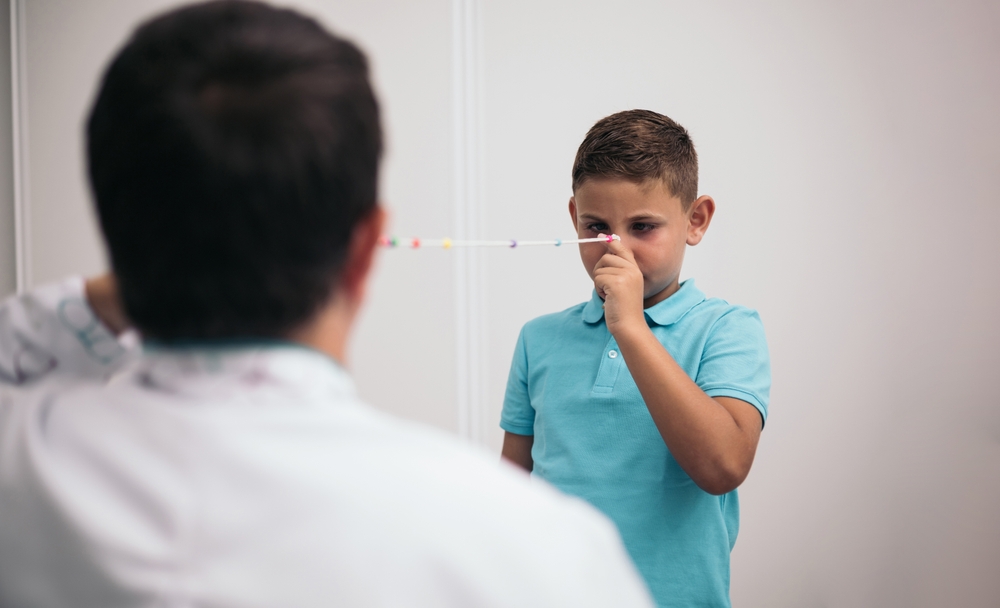
Vision therapy is a personalized program designed to improve and enhance visual skills and processing. It is typically conducted under the supervision of a vision therapist or an eye doctor who is specialized in optometry. The therapy involves a series of exercises tailored to the individual's specific vision issues, often focusing on binocular vision, visual processing, and eye coordination.
Vision therapy exercises are designed to address various vision dysfunctions and enhance visual skills. These therapy exercises can help with common issues such as lazy eye (amblyopia), eye coordination problems (strabismus), and difficulties with binocular vision. The goal is to improve the brain's ability to control and coordinate eye movements, leading to better focus and reading skills.
A vision therapist works closely with patients to create a customized treatment plan. This plan includes a series of exercises and activities designed to address specific vision problems. The therapist monitors progress and adjusts the exercises as needed to ensure optimal results.
Traditional eye exercises are often simple routines that people can perform on their own to help maintain healthy eyesight. These exercises are generally aimed at reducing eye strain and improving eye muscle strength and flexibility. Common exercises include focusing on distant objects, performing eye movements, and practicing relaxation techniques.
Traditional eye exercises might include practices like focusing on a distant object, following a figure-eight pattern with the eyes, and the 20-20-20 rule (looking at something 20 feet away for 20 seconds every 20 minutes). These exercises are designed to relieve eye strain and improve eye muscle coordination.
These exercises can be beneficial for managing eye strain and fatigue, especially for individuals who spend a lot of time in front of screens. They are simple to perform and can be done anywhere, making them a convenient option for maintaining eye health.
While both vision therapy and traditional eye exercises aim to improve eye health, they differ in several key ways. Understanding these differences can help you decide which approach is right for you.
Vision therapy is a personalized, supervised program tailored to an individual's specific vision problems. In contrast, traditional eye exercises are general routines that anyone can perform to maintain eye health and reduce strain.
For example, those with strabismus may require specialized eyeglasses with specific prism lenses to reduce how much the eye needs to rotate to see. Sometimes, traditional glasses or contact lenses may not be sufficient.
Vision therapy requires the supervision of a trained vision therapist or an optometrist, ensuring that exercises are performed correctly and adjusted as needed. Traditional eye exercises can be done independently without professional guidance. Here at BVC, Dr. Raja specializes in vision therapy and is ready to provide top-tier service to clients.
Vision therapy is often recommended for individuals with specific vision problems that affect their daily activities and quality of life. Conditions such as amblyopia, strabismus, and binocular vision dysfunction can benefit from a structured vision therapy program.
Children with learning difficulties or developmental issues related to vision can greatly benefit from vision therapy. It can help improve their reading, focus, and overall academic performance by addressing underlying visual processing problems.
Parents should be on the lookout for the following signs that may indicate a vision problem:
Athletes can also benefit from vision therapy. Sports vision training is a specialized form of vision therapy that enhances visual skills essential for sports performance, such as hand-eye coordination, depth perception, and reaction time.
Traditional eye exercises are suitable for individuals looking to maintain their eye health, reduce eye strain, and improve general eye muscle flexibility. They are particularly useful for people who spend long hours on digital devices.
Office workers who experience eye strain from prolonged screen time can benefit from incorporating traditional eye exercises into their daily routine. These exercises can help alleviate discomfort and prevent long-term vision problems.
Some suggested exercises are:
For some individuals, a combination of vision therapy and traditional eye exercise can be beneficial. This integrated approach can address specific vision problems while also promoting general eye health. Always consult your vision therapist before implementing new exercises into your routine.
At BVC, we take pride in our commitment to customizing our approaches to meet the unique needs of each individual. Whether you’re seeking vision therapy, eye exercises, or other vision-related services, our team understands that there is no one-size-fits-all solution. We tailor our strategies to fit your specific requirements, ensuring that you receive the most effective and personalized care possible.
Our customized approach begins with a thorough assessment of your vision health and any specific issues you may be experiencing. From there, we develop a personalized plan that addresses your unique needs, whether it’s improving focus and coordination, managing eye strain, or enhancing visual processing skills. By continually adapting our methods based on your progress and feedback, we ensure that our solutions are always aligned with your goals and preferences.
Think you could benefit from vision therapy? Contact us today by texting or calling our Carlsbad number at (760) 438-2020 or our Encinitas number at (760) 944-7177. At BVC, our team is dedicated to addressing all your eye care needs. Whether you're looking to schedule an appointment or treatment, we are here to help you start your journey toward improved vision and eye health!