
Your vision is one of your most valuable assets, but it’s easy to overlook subtle signs that you might need glasses or contact lenses. Many symptoms of eye strain or visual discomfort often go unnoticed until they start affecting your daily life. Recognizing these signs early and visiting an optometrist for an exam can help you protect your eyes and maintain clear vision.
Your eyes are constantly working, whether you’re focusing on a screen, reading a book, or driving at night. When they struggle to adapt or focus, it can lead to noticeable symptoms like blurry vision, headaches, or difficulty seeing details. Ignoring these issues can worsen your discomfort and strain your eyes further.
When your vision starts to falter, it often reveals itself in specific ways. If you notice any of the following, you might need glasses or eyeglasses:
Blurriness is one of the most common symptoms of vision problems. Difficulty seeing things far away, like road signs or faces, can indicate nearsightedness (myopia). Struggling to read text up close, such as on a menu or phone, may point to farsightedness (hyperopia) or age-related presbyopia.
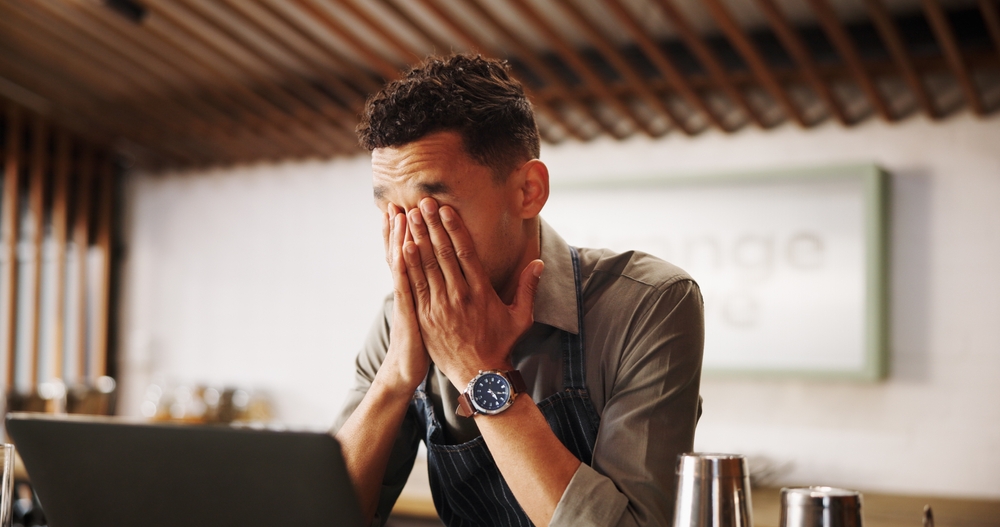
Constant squinting or focusing to see clearly can lead to headaches and eye strain. These symptoms often indicate that your eyes are working harder than they should and might require a new prescription.
Double vision occurs when you perceive two images of the same object, often overlapping. You can mimic this sensation by crossing your eyes, but persistent double vision, particularly in both eyes, can indicate a serious issue.
Watery eyes may be a sign you’re experiencing vision problems. However, watery eyes can also indicate other issues, like allergies, dry eyes, or even a thyroid condition. If your eyes are excessively watering, make an appointment with our optometrists.
Struggling with vision at night can be more than just a nuisance—it can be a safety concern. Whether you’re driving after sunset, walking in dimly lit areas, or trying to navigate your home in the dark, clear night vision is essential for everyday life. Here are some key signs and symptoms that may indicate you need glasses or contact lenses to address night vision issues.
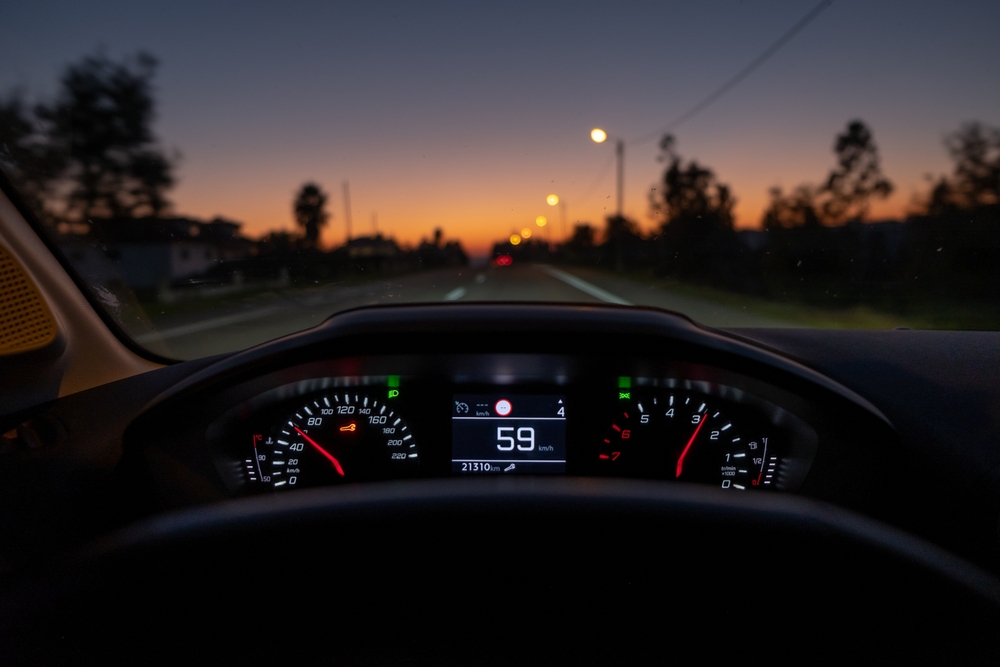
If you find it challenging to see clearly while driving at night, it could be a sign that your vision needs attention. Many people experience night vision problems, which can make driving dangerous. Streetlights may appear blurry, headlights can create glare, and objects in the distance may be hard to distinguish. This can be particularly troublesome when driving in low-light conditions or on unfamiliar roads.
Sensitivity to glare can make everyday activities, especially driving, uncomfortable and even hazardous. If bright lights, like oncoming headlights or sunlight reflecting off surfaces, cause discomfort or make it difficult to see, it could be a sign of an underlying vision issue.
Some people experience a delayed adjustment when moving from a bright environment to a darker one, like entering a dimly lit room after being outside in the sunlight. This could indicate an underlying problem with how your eyes process light and dark transitions.
In today’s digital age, prolonged screen use has become a common cause of eye strain and discomfort. Whether it’s from working on a computer, scrolling on your phone, or binge-watching your favorite shows, digital screens can overwork your eyes and lead to symptoms like dryness, blurred vision, and headaches. Here are signs that your eyes may be affected by screens:
Extended exposure to screens can cause digital eye strain, leading to blurred vision, dry eyes, and discomfort. This is a growing issue in the digital age and often requires blue-light-filtering lenses or corrective eyeglasses.
If you find it difficult to adjust your vision when switching between a screen and distant objects, this might indicate a need for bifocal or progressive lenses to aid your focus.
Your lifestyle can also reveal whether contact lenses or glasses are a good fit for your vision needs.
If you find yourself squinting under bright sunlight, struggling to see objects in the distance, or noticing discomfort during outdoor activities, it might be time to evaluate your eyes. Common causes for outdoor vision struggles include uncorrected refractive errors like nearsightedness or farsightedness, as well as sensitivity to light or glare. Exposure to UV rays without proper sunglasses can also strain your eyes and potentially harm your eye health over time.
Did you know that some athletes are not allowed to wear glasses? For those who engage in frequent physical activity, a contact lens can provide more freedom than eyeglasses, enhancing peripheral vision and ensuring greater overall comfort.
A comprehensive eye exam is the most reliable way to identify whether you need corrective lenses.
According to the NEI, refractive errors are a common vision issue that causes blurry or unclear sight. They occur when the shape of your eye prevents light from properly focusing on the retina, the light-sensitive tissue at the back of your eye. These errors are the most widespread type of vision problem, affecting over 150 million Americans. However, many people may not realize that their vision could be improved, which is why regular eye exams are crucial.
During an eye exam, your doctor will test your vision, check for refractive errors like astigmatism, and determine whether you need a prescription for eyeglasses or contact lenses.
Even if you don’t notice major signs of vision problems, routine eye exams are crucial for monitoring your overall eye health and catching potential issues early. Additionally, many vision problems can be easily corrected with the right prescription for glasses or contact lenses. Routine exams also allow your optometrist to monitor the overall health of your eyes, ensuring that any changes in your vision or eye health are addressed promptly.
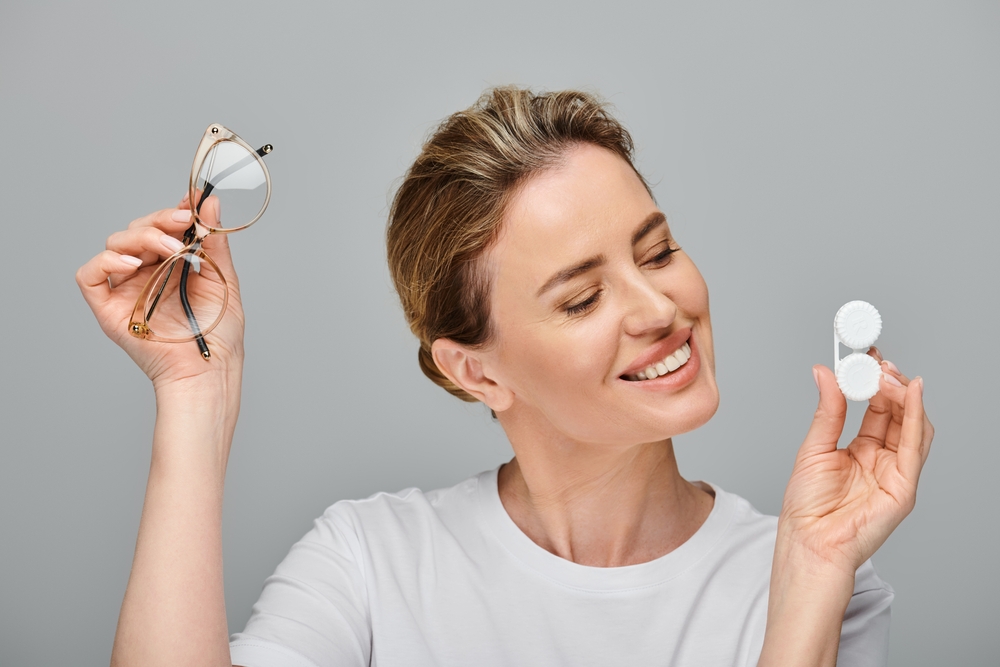
When it’s time to address your vision needs, you’ll have options between glasses and contact lenses.
When it comes to correcting your vision, glasses and contact lenses both offer distinct benefits, and the choice largely depends on your personal preferences, lifestyle, and eye health needs. Glasses are the most traditional and easiest solution for vision correction. They are convenient, require less maintenance, and can offer a stylish accessory. You can easily remove them if they become uncomfortable or if you need a break. Additionally, glasses can help protect your eyes from dust, wind, and harmful UV rays when paired with sunglasses or lenses that block blue light.
On the other hand, contact lenses offer a more natural and discreet option for vision correction. They sit directly on your eye, providing a wider field of vision and eliminating issues like fogging or slipping off your face. Contact lenses are ideal for people with an active lifestyle, as they won’t interfere with sports or physical activities. However, they do require more maintenance, including daily cleaning and proper care to avoid irritation or infection.
Ultimately, whether you choose glasses or contact lenses comes down to your unique vision needs and lifestyle preferences. Your optometrist can help you decide which option is best for you based on your prescription, eye health, and daily activities.
Our doctors at BVC will help you choose the best corrective solution based on your lifestyle, preferences, and prescription. They’ll also ensure that your insurance benefits are used effectively for your eye care needs.
By acting on signs that you might need glasses or contact lenses, you not only improve your vision but also enhance your quality of life. Clear vision reduces stress, prevents further eye strain, and allows you to enjoy daily activities with ease.
If you’re noticing any symptoms, don’t wait—schedule an eye exam today to take the first step toward better eye care and lasting vision health. Contact us by either sending a text or calling our Carlsbad number (760) 438-2020 or Encinitas number (760) 944-7177. Schedule a consultation with an eye doctor today and embark on your journey to improved vision and eye health.