
For many patients, contact lenses are indispensable eyewear that support their daily lives. Whether used daily or occasionally, they offer wearers greater flexibility to match their individual vision needs and lifestyle. However, when used or handled improperly, wearing contact lenses can increase risks to your ocular health.
At Beyond Vision Center, we believe that enhancing your vision does not have to come at the expense of your long-term eye health. Therefore, we are committed to providing our patients with the best vision solutions along with appropriate guidance on how to optimize those options. Read on to learn more about long-term contact lens wear.
Exposure to contacts for an extended period of time, whether for long hours during a day or over many years, can increase the likelihood of incurring contact-related complications. Lenses do not inherently cause disease; however, improper usage and various environmental factors may result in adverse effects on your ocular health.
The increased risk of developing ocular problems is primarily attributed to the reduced level of oxygen, also known as hypoxia. This is because lenses form a barrier between your eyes and the environment, limiting the flow of oxygen to your eyes. Unlike other body parts, the cornea lacks blood vessels, relying solely on the external environment for oxygen supply. As a result, when contact lenses are worn and restrict the natural flow of oxygen, the cornea becomes stressed, causing it to swell and become irritated, which increases the likelihood of infection or long-term damage.
An environment with low humidity, such as an air-conditioned workplace or airplane, may make your eyes more prone to the unwanted effects of contact lenses. Dry air causes lenses, especially soft or hydrogel lenses, to lose their moisture. Thus, the non-wetting lenses may stick to your eye surfaces, leading to discomfort, irritation, scratches on surrounding tissues, and even pain.
The longer you wear your lenses without removing or replacing them, the more stress you place on your eyes. Extended-wear lenses, which are designed to be worn overnight or continuously for days, are linked to a greater susceptibility to infection than daily-wear lenses. Research shows that people who sleep in their contact lenses are significantly more likely to develop serious eye infections like microbial keratitis.
At BVC, we believe that choosing the right lenses for your eyes is equally important to understanding how to wear and handle them safely. By having regular check-ups, following your doctor’s guidance, and keeping your lenses clean, you can lower the probability of developing ocular diseases and maintain long-term vision health.
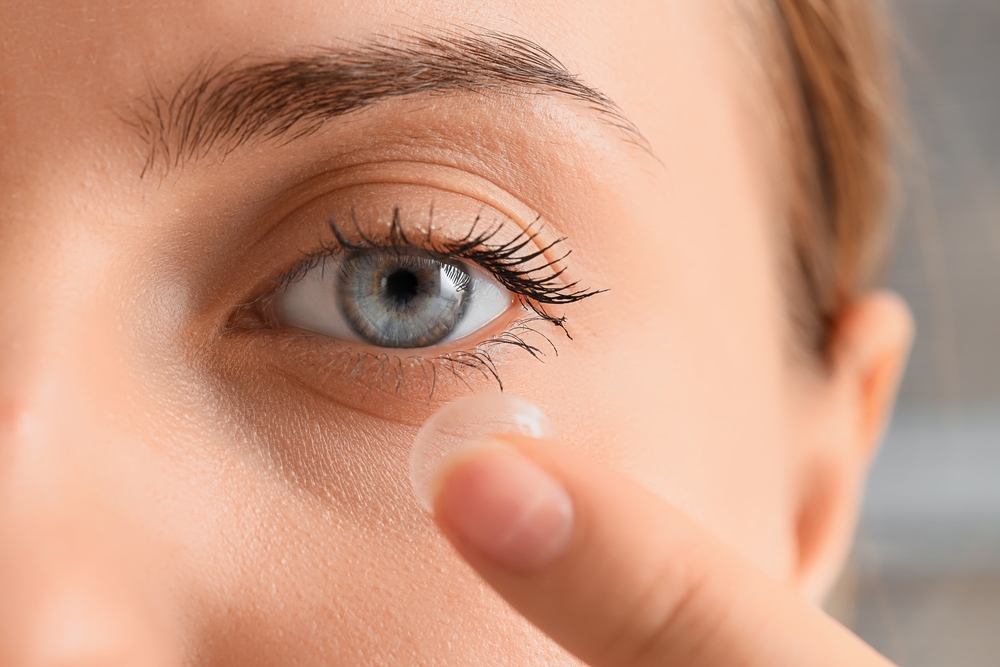
Dry eyes from contact lenses is one of the most prevalent conditions among wearers, especially in low-humidity environments. This sense of dryness in the eye is described as a feeling of scratchiness or a stinging pain in and around the cornea. Generally, blinking or applying contact lens eye drops can alleviate the symptoms for a short time. However, adjusting the lens thickness and water content is a better long-term approach to addressing dry eyes. For those who already have dry eye syndrome, contact lenses can worsen the condition, making it harder to tolerate. Over time, chronic dryness without proper treatment may lead to more severe inflammation or require some people to stop wearing lenses altogether. At BVC, we’ll ensure your lens-wearing experience is as comfortable as it can be.
Patients who wear extended-wear lenses or soft contact lenses are at an increased risk of developing GPC. However, this condition can occur randomly, even for long-time lens wearers. In fact, according to the Cleveland Clinic, it is estimated that only about 5% of wearers develop GPC while using soft contact lenses. The early symptoms are subtle and easily overlooked by wearers, such as increased mucus production or pain in the eyelid after lens removal. As the condition worsens, the inner side of the eyelid becomes rough, swollen, and droopy. It may also cause blurry vision and an increase in mucus or discharge from the eyes. In more severe cases, your inner eyelid can develop bumps, also known as papillae, that could grow to the size of a pimple.
As concerning as that may sound, GPC is preventable with the right care. Depending on the progression of GPC, your eye doctor may recommend solutions including: a break from contact lenses for your eyes to heal, eye drops, ointment, other medicine, or a change in the type of contacts after recovery.
Bacterial keratitis is an infection of the cornea caused by bacteria, which can happen not only to contact wearers but also to people who do not wear lenses. Improper cleaning, especially for extended-wear lenses, overnight wear, or eye injury, can introduce bacteria to the cornea, causing keratitis. The symptoms of bacterial keratitis include sudden eye pain, redness, sensitivity to light, blurred vision, excessive tearing, and discharge. If not treated promptly, keratitis can lead to more serious complications like decreased vision or blindness. Therefore, it is critical to seek immediate care from your eye doctor at the first sign of symptoms and to follow proper lens care routines to minimize your risk.
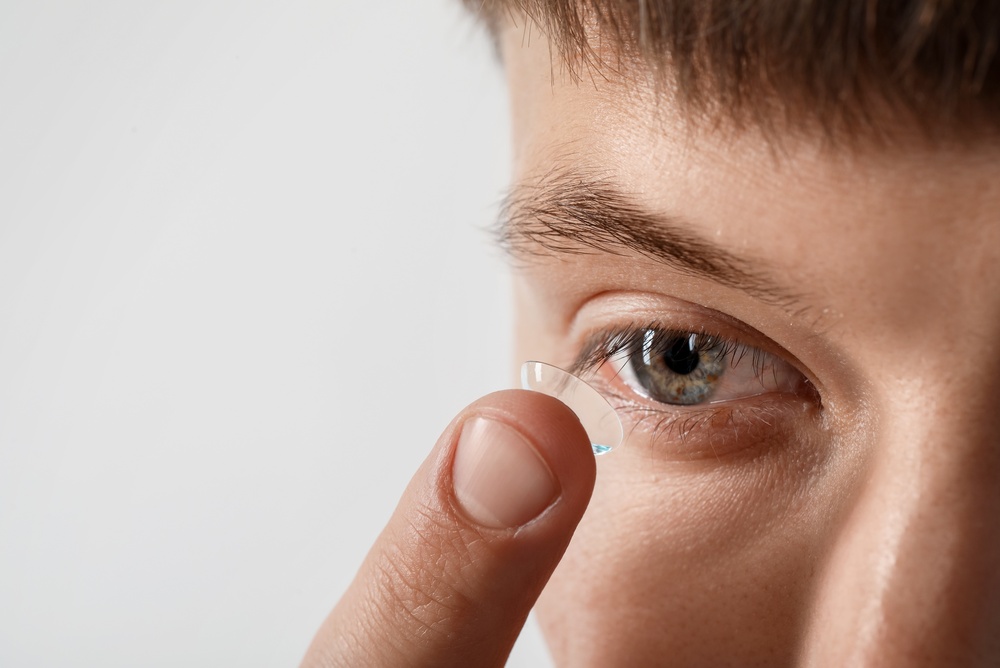
Corneal neovascularization refers to the formation of blood vessels in the cornea, which is normally avascular, or without blood vessels. Vascularization often does not have apparent symptoms until the new blood vessel grows and covers the pupil, hindering visual acuity. If the situation is mild, treatment may involve switching to new lenses with higher oxygen transmissibility. However, in more serious cases when the blood vessels affect your vision, discontinuing contact lens use altogether may be necessary to prevent further damage.
Contact lens intolerance is the umbrella term referring to the body’s general rejection when you wear contacts. This can happen to first-time wearers, where the body considers the lenses foreign objects and responds with natural defenses, resulting in eye irritation, discomfort, or excessive tearing. Even for people who are accustomed to lenses, allergic reactions may develop in response to contact lens fluid, bacteria from contaminated contacts, or even different lens materials. In most cases, this condition can be resolved with additional attention to lens hygiene or specialized eye drops for contact lenses. However, if discomfort persists despite these adjustments, it’s time to consult your eye doctor.
Other issues that contact wearers might experience include blurry vision or changes in vision after wearing lenses for a long time. These can be attributed to eye strain, corneal warping due to extended wear, persistent dryness, or inflammation. Regular breaks from wearing contacts and monitoring your vision closely can help prevent further complications to your eyes. However, persistent changes in your vision could be a sign of corneal damage or the early stages of lens-related eye diseases and should be assessed by an eye doctor.
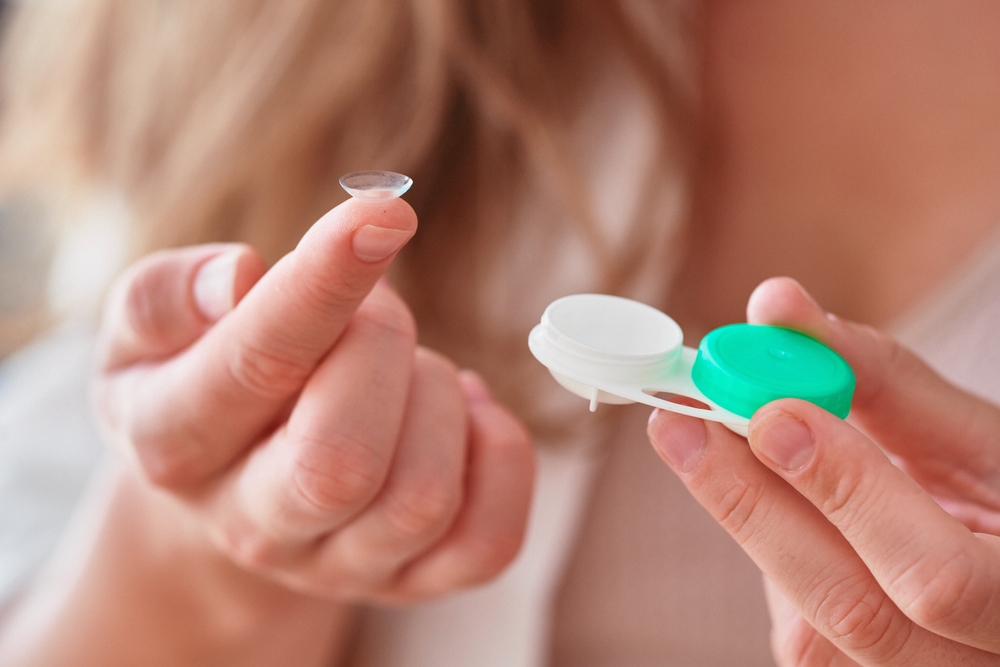
To experience healthy, effortless vision while wearing contact lenses, avoid preventable risks by carefully following product instructions and maintaining proper hygiene. Never wear lenses for longer than prescribed, and avoid sleeping in them unless they are specifically designed for overnight wear. Always handle lenses with clean, dry hands and avoid using unprescribed solutions to handle lenses. Regular breaks from contacts can also reduce the chance of developing contact-related eye diseases and improve long-term comfort. Most importantly, schedule routine exams with your eye doctor to identify early signs of complications and maintain long-term healthy vision.
At Beyond Vision Center, our team is dedicated not only to providing you with the right ocular solution, but also to equipping you with the knowledge to use it with confidence. Whether you’re trying contact lenses for the first time, experiencing discomfort, or simply unsure about your symptoms, we’re here to guide you every step of the way.
Call us today to schedule an appointment and join the BVC family — where your vision matters most! Book a visit with us online or call 760-438-2020 (Carlsbad) and 760-944-7177 (Encinitas).