
Living in Southern California means we get to enjoy sunshine and ocean breezes for most of the year. Our climate is easy on our bodies, but it can put unique demands on our eyes. The sun, wind, humidity, and allergens here in Carlsbad and Encinitas all take a toll on our eyes.
Each season brings its own challenges when it comes to eye care. Spring triggers eye allergies. In the summer, we’re exposed to more intense UV radiation. Fall brings drier air and stronger winds. And in the winter, we’re all more susceptible to dry eye symptoms from indoor heating and lower humidity.
The good news is that you don’t need a complicated routine to protect your eyes. All it takes is a few adjustments each season. We have plenty of tips to help you prepare your eyes for the unique challenges each season brings. Let’s start at the beginning of the year with spring:
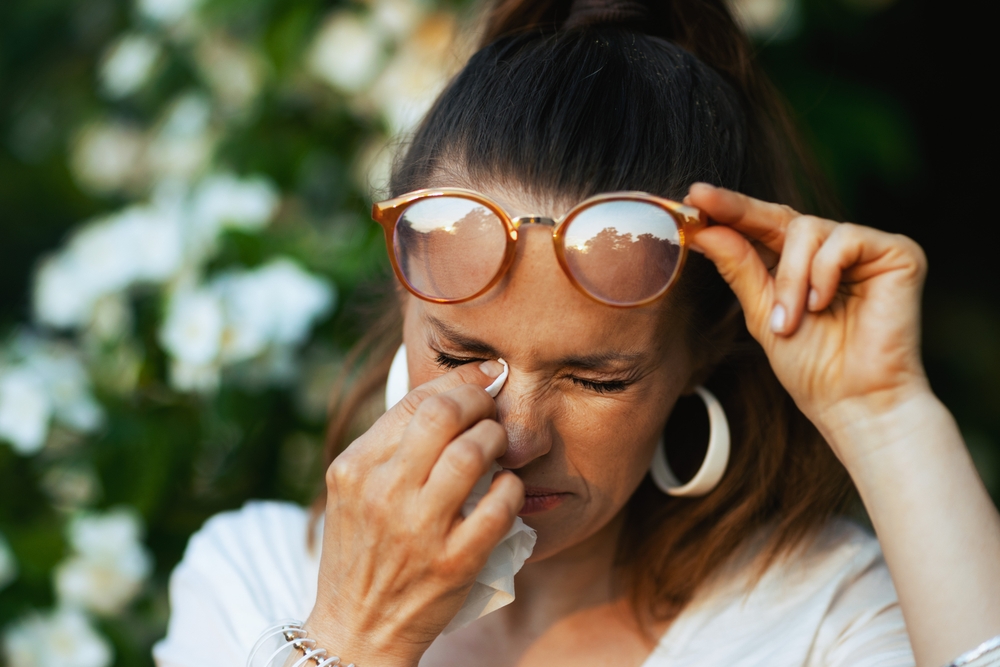
Spring is when most of us struggle with eye allergies. Pollen and grass get blown around in our coastal air, triggering everyone’s seasonal allergies. These allergens irritate our eyes and can lead to allergic conjunctivitis. Here’s what you can do to deal with itchy, watery eyes in the spring:
Two ways to deal with spring allergies are to use eye drops and artificial tears. Allergy-specific eye drops can help you calm down inflammation, while artificial tears help dilute the pollen and rinse the allergens off of your eyes. Try your best not to rub your eyes in the spring, and wash your face and eyelids after spending time outside. If you wear contact lenses, you might want to switch to daily disposable contacts in the spring since pollen can stick to them. Wearing your glasses on peak allergen days can help too.

The summer brings longer days and more intense sun exposure, especially here in Southern California. Sunlight offers important benefits for overall health, but it’s important to be mindful of harmful UV rays that can affect your eyes over time. Here’s what you can do to protect your eyes in the summer:
Wear sunglasses with UV protection to give your eyes a break on sunny days. Wide-brimmed hats can give you some protection too. Here in Southern California, the sun reflecting off the sand and water can increase UV exposure and be harder on your eyes. Be especially mindful from 10 a.m. to 4 p.m. when UV rays are the most intense.
California heat and wind can make dry eye symptoms worse in the summer. You might notice burning and blurry vision after spending time outdoors or in air-conditioned rooms. You can combat dry eyes in the summer by staying hydrated and using artificial tears to keep your eyes comfortable.
A lot of people don’t think about their eye health much in the fall since their allergies aren’t as severe and it’s not as sunny out. But it’s a common time for dry eye symptoms to get worse. The cooler air and lower humidity can make your eyes drier. Plus, we’re all spending a lot more time indoors on our phones and computers since it’s chillier outside. This can lead to tired eyes and other vision issues.
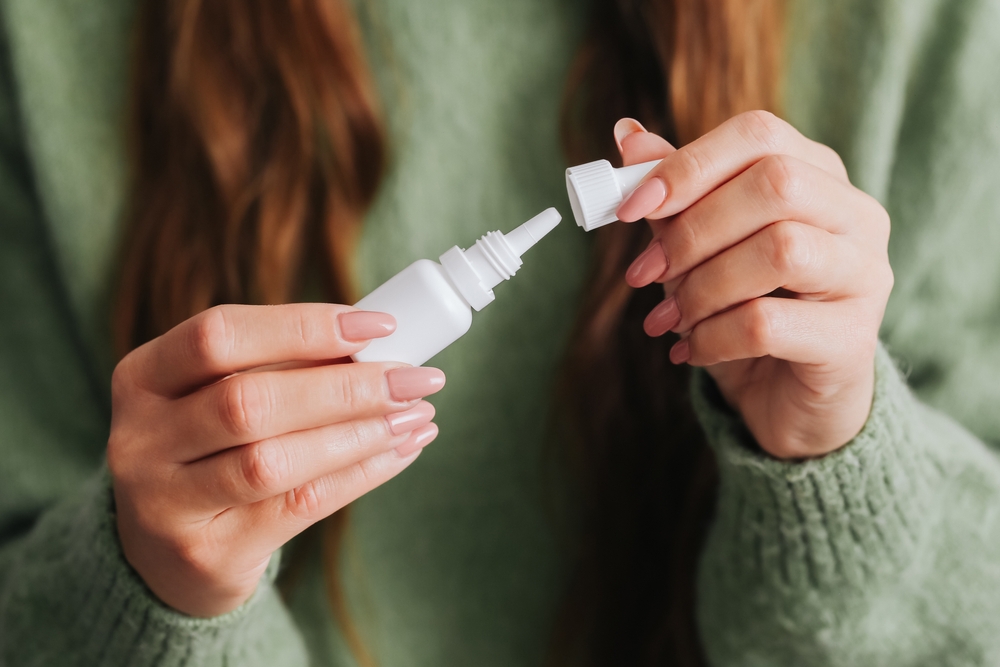
We recommend using artificial tears if you notice your eyes are drier in the fall. Taking screen breaks and maintaining good indoor air quality can also help. Fall is also a smart time to schedule your annual eye exam before winter comes. Meet with your optometrist to check for changes in your vision, update your prescription, and address your dry eye symptoms early before the holiday season starts.
Dry eye season starts in the fall, but it gets worse in the winter. Cool air, wind, and indoor heating can all make our eyes drier. Winter seasonal dryness can cause burning, watery eyes, redness, and blurry vision.
Using eye drops to moisturize your eyes and stabilize your tear film is helpful in the winter. Another way to deal with winter eye dryness is to use a humidifier indoors, especially at night. We also recommend you avoid sitting near heaters or car vents that blow air directly at your face. The dry winter air can make contacts uncomfortable. If your lenses feel dry or irritated, you can switch to your glasses or try lubricating drops approved for contact lenses.

Here’s the TL;DR summary of all our care tips for each season and a few bonus tips we forgot to mention:
Seasonal changes affect your eyes in all kinds of ways. Dryness, allergy symptoms, and irritation can build over time, especially here in coastal Southern California. At Beyond Vision Center in Carlsbad and Encinitas, we help our patients keep their eyes healthy all year long. Our optometrists can help you manage your eye allergies, dry eye symptoms, and contact lens issues, no matter the season.
Schedule an appointment at Beyond Vision Center in Carlsbad or Encinitas today if you’re suffering with seasonal eye issues. We’ll get to the bottom of what’s causing your symptoms and help you get relief.