
Fall is around the corner, and so is allergy season. At Beyond Vision Center (BVC), we understand how allergies can disrupt your daily activities, especially when they affect your eyes. Fortunately, there are several proactive measures you can take to protect your eyes and minimize the impact of irritations caused by allergens. Read on to learn more about eye allergies and practical tips to help maintain your eye health and comfort.
You may be wondering why allergies only occur to some people but not others. Here’s the reason: seasonal allergies or hay fever happen when your immune system overreacts or becomes sensitized to elements in the environment called allergens. These allergens are more prevalent at certain times of the year, for example, spring or autumn, and trigger the protective barriers of certain individuals.
When these foreign elements come in contact with the antibodies attached to the mast cells in your eye, your body will produce a natural substance called histamine to fight off the allergens. However, as histamine is released, it also causes the tiny blood vessels to leak and makes your eyes itchy, red, or watery.
When it comes to eye irritants during the fall season, pollen, especially from ragweed, is one of the most common triggers. However, the list of potential culprits goes on. A variety of allergens can worsen your symptoms, so it’s important to be aware of all potential factors that may be affecting your eyes. Some allergens are present year-round, while others are only prevalent at specific times of the year. Understanding your triggers can help you create an effective prevention plan.
Pollen: These microscopic particles, released from grasses and trees during blooming season, contain proteins and other compounds that our body mistakes as harmful intruders and initiates allergic reactions.
Dust mites: These are tiny, insect-like creatures that live on household dust or fabrics like mattresses and carpets. Although dust mites don’t bite, the proteins in their droppings and debris can trigger allergies in the human body.
Pet dander: Contrary to common belief, an animal’s dander (shed skin flakes) or saliva, rather than fur, can set off the immune system’s alarm, leading to a chain of body reactions. This happens due to a specific protein in the animal’s dander that, when it comes into contact with our eyes, causes the allergy symptoms.
Perfumes: Fragrances often contain chemicals, such as oak moss, citronella, and other synthetic components, which can initiate allergic reactions in sensitive individuals. Perfume can exacerbate the dry eye condition, increasing the chance of having an eye allergy.
Other potential triggers include mold spores, cigarette smoke, diesel exhaust, and various chemicals. Being aware of these irritants is essential for taking effective preventive steps to protect your ocular health.
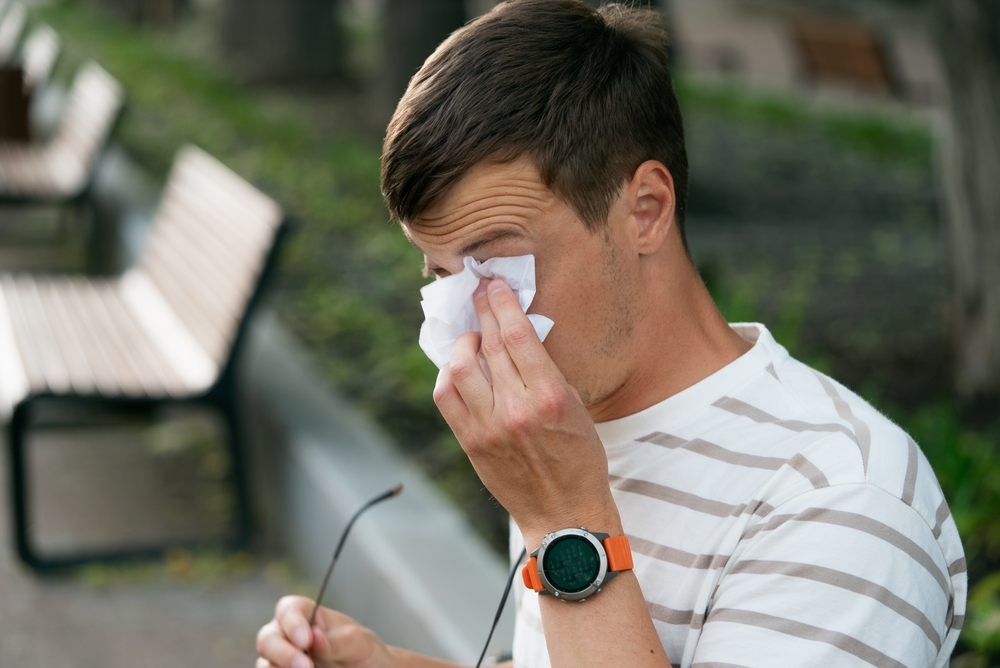
Allergy symptoms can look different to each individual. However, some of the most common eye reactions include:
Itching: This happens when your body releases histamine to fight off foreign substances, causing blood vessels in the eye to dilate and fluid to leak, which leads to itching and other reactions.
Redness: As the blood vessels become swollen, they are more visible, causing your eye to look red and bloodshot.
Watery eyes: The increased fluid and inflammation result in excessive tearing as your body tries to flush out the irritants.
Swollen eyelids: This can happen to either or both upper and lower eyelids of susceptible individuals due to the fluid buildup and inflammation of tissues around the eye, causing puffiness or swelling.
Blurred vision: It is common to have blurry vision when your eye continues to discharge water and becomes swollen. This symptom is temporary, but it can be concerning if left unmanaged.
Infected individuals can experience one or a combination of these symptoms. The discomfort or feeling of something stuck in the eye can cause you to rub directly into the ocular area, which potentially leads to scratches on the cornea, also known as corneal abrasion, or more serious infections.
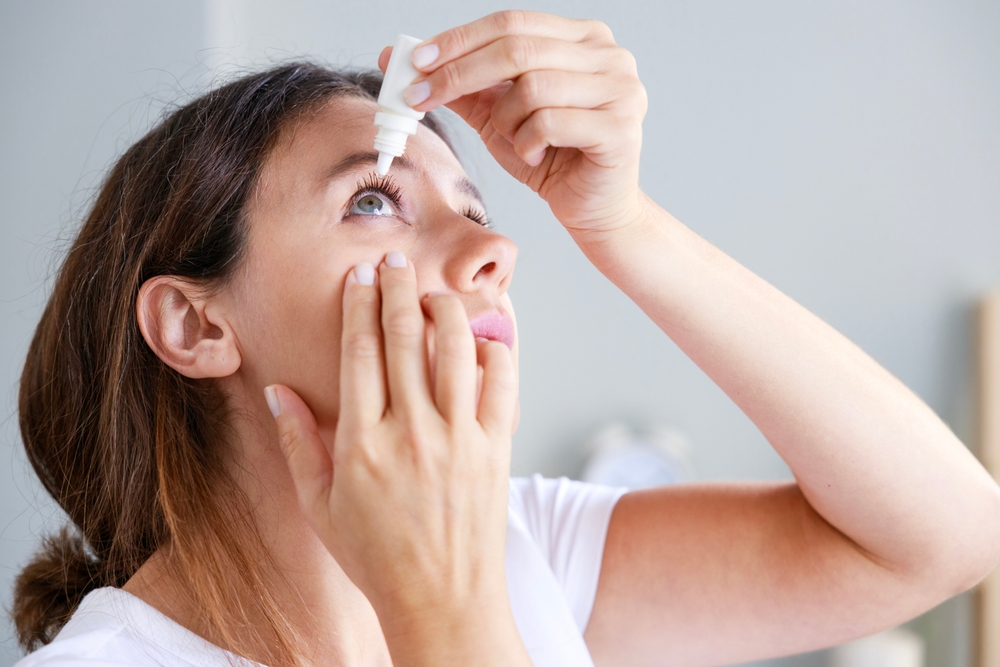
If this seasonal sensitivity affects your eyes, here are some steps you can take to alleviate the allergic reactions:
Immediately apply a cold compress or a clean, cold cloth to the swollen areas to reduce swelling and soothe itching. Keep your eyes lubricated and help wash away allergens with artificial tears or medical preservative-free saline solutions. To prevent further injuries to the affected area,
it is important that you not rub your eye or touch it out of necessity.
If the symptoms persist or worsen, consult with an eye doctor or call us at BVC for immediate support. Your doctor might direct you to over-the-counter medications, such as oral antihistamines, which can be used to relieve allergic reactions by blocking the production of histamine. Prescription medications such as antihistamine eye drops or mast cell stabilizers can also be prescribed if you experience more severe symptoms.
To manage eye allergies, the best way is to avoid allergens in the first place. You should check the local pollen forecasts and plan outdoor activities accordingly. Particularly, if you have sensitive eyes, it is advisable to stay indoors during early mornings and windy afternoons on days with high pollen levels.
Within household environments, it is important to keep your indoor air clean by using air conditioning and regularly changing air filters. After spending time outside, shower, change clothes, and wash your hands and face to remove lingering allergens. Regularly cleaning floors and bedding helps reduce indoor triggers like dust mites and pet dander. Additionally, maintaining a healthy and vitamin A-rich diet is also vital to your vision health all year round.
One simple and effective way to keep your eyes from airborne irritants is to wear sunglasses for outdoor activities. Wraparound-style would be best for eye coverage, especially when you are running or biking. Additionally, sunglasses also help reduce exposure to UV rays or wind, which can worsen dryness and irritation.
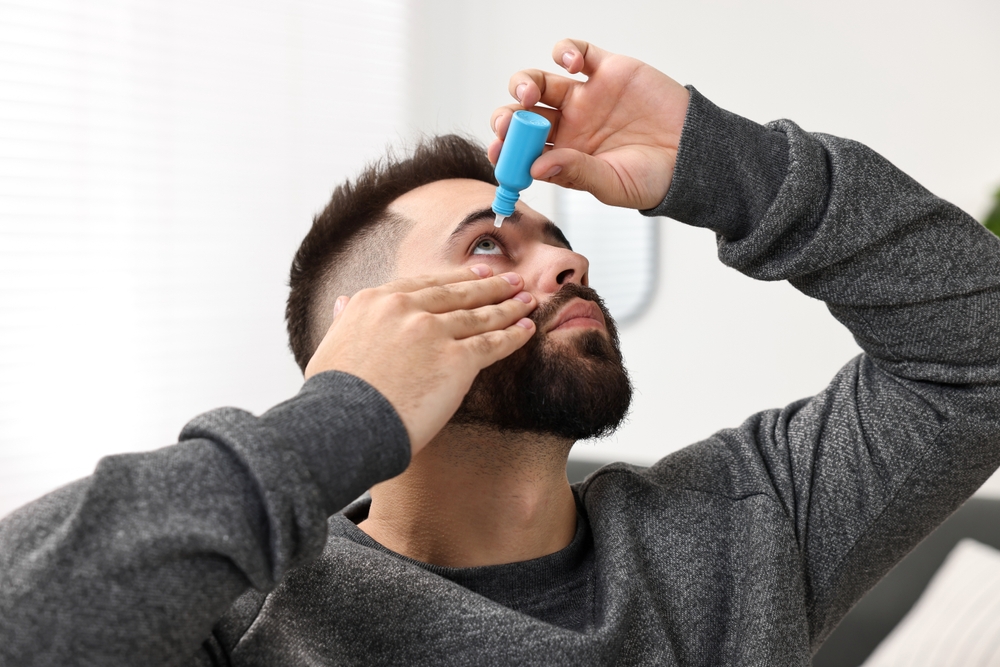
Artificial tears mimic the natural tears that our eyes produce to get rid of foreign objects or irritants. This type of eye drop can be used to soothe irritation from allergies, alleviate dry eye issues, and reduce redness. If you have to use artificial tears occasionally, for example, to address eye strain from computers, it is best to opt for preservative-free solutions to reduce the risk of irritation, especially for long-term use.
Dealing with allergy season doesn’t have to mean suffering from itchy eyes and blurry vision. With the right combination of prevention, relief, and professional support, you can take control of your eye health and enjoy the season more comfortably.
At Beyond Vision Center, we believe that your vision is more than the ability to see — it’s how you connect and share the moments with the world around you. That’s why our team of doctors and specialists is committed to taking care of your eye health, from diagnosing the conditions and recommending effective treatments, to supporting your long-term eye care needs. You focus on the moments, we help protect the vision that brings them into view. Call us today to schedule an appointment and join the BVC family — where your vision matters most!