
Regular optometry visits are not just about updating prescriptions; they're an essential part of preventive healthcare. An eye exam is more than just a vision screening; it’s a key part of your overall healthcare plan.
According to the CDC, over 12 million Americans over the age of 40 have vision impairments, and 6.8% of children under 18 in the US have been diagnosed with an eye health condition. Many eye conditions, such as glaucoma or macular degeneration, don’t show symptoms until they’ve progressed. Regular eye exams can detect these issues early, giving you the best chance at effective treatment. Plus, they ensure your eyes are functioning at their best, whether you need corrective lenses or just reassurance about your eye health. Our specialists at BVC are dedicated to making your first eye exam a comfortable and positive experience, guiding you every step of the way to ensure your eye health and vision needs are expertly cared for.

Here’s a handy list of what to bring to ensure you’re fully prepared for your exam:
If you forget to bring something, don’t worry—your doctor will help ensure your eye exam goes smoothly.
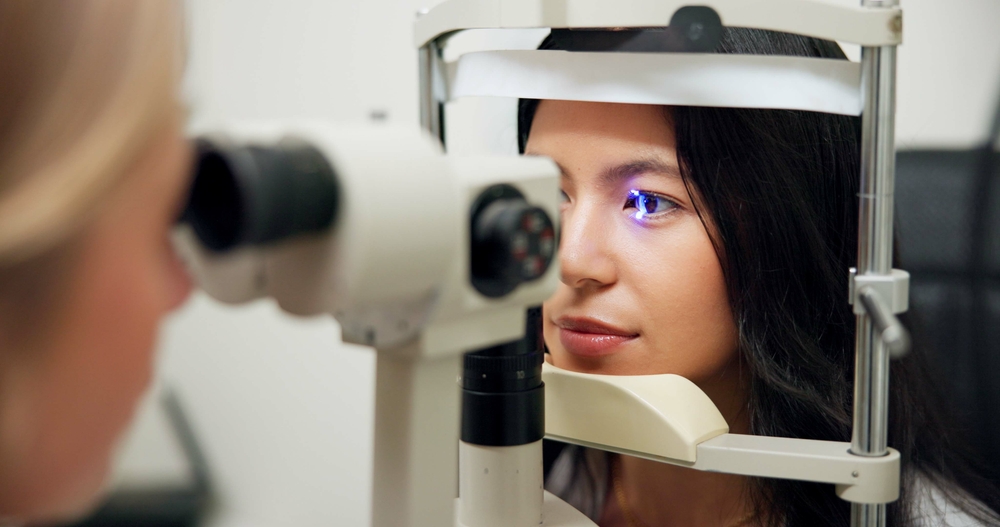
During your eye exam, the specialist will perform a variety of tests to assess your vision, eye health, and overall health. Here is what to expect:
Once your eye exam is complete, a specialist at BVC will discuss the results and any recommended next steps. These may include:

If you have vision insurance, it can help offset the cost of your eye exam, corrective lenses, or even certain treatments. Be sure to check your plan details before visiting the clinic, and don’t hesitate to ask about coverage options.
At BVC, we recognize that eye health is more than just vision—it's a critical component of your overall well-being. Our specialists take a personalized approach during every eye exam, looking beyond vision to provide comprehensive healthcare. By integrating eye care with your broader medical profile, we help you understand how eye health connects to conditions like diabetes and hypertension.
That’s why routine eye exams are key to maintaining clear vision and healthy eyes. Whether you’re visiting the clinic for the first time or it’s part of a regular routine, your commitment to eye care is an investment in your overall health, with long-term benefits for your well-being.
It’s essential to start prioritizing eye health early. Babies should have their first eye exam between 6 and 12 months of age to ensure their vision is developing properly. By the time children reach ages 3 to 5, they should have at least one comprehensive eye exam to check for any potential issues that could affect learning and development. After age 5, annual eye exams are recommended to maintain optimal vision as they grow.
For adults, scheduling a yearly eye exam is crucial, even if you don’t currently experience any vision issues. Subtle changes in your vision can occur over time without noticeable symptoms, and routine exams help catch these shifts early. If you require glasses or contact lenses, annual visits are necessary to ensure your prescription remains accurate. Older adults, as well as individuals with pre-existing eye health concerns, may need to see our doctors more frequently to monitor and manage their eye health effectively.
We’re dedicated to helping you achieve and maintain optimal eye health. Contact us today by sending a text or calling our Carlsbad number at (760) 438-2020 or our Encinitas number at (760) 944-7177. The BVC team is ready to assist with all your eye care needs. Whether you want to book your first appointment or inquire about our services, we're here for you. Contact us today and begin your journey to better vision and eye health!