
The concept of lenses was created in the 16th century by the famous architect Leonardo da Vinci. Since then, years of research and innovation have been dedicated to turning paper sketches into the actual contacts that we use today, making them a breakthrough in the medical industry. Even though contact lenses have been widely used to correct vision and enhance the lives of many people, there remain many prevailing doubts and myths surrounding their usage and application. That’s why, at Beyond Vision Center (BVC), we believe it’s just as important to understand how contacts work as it is to wear them correctly. Read on as we debunk some of the top misconceptions about contact lenses.
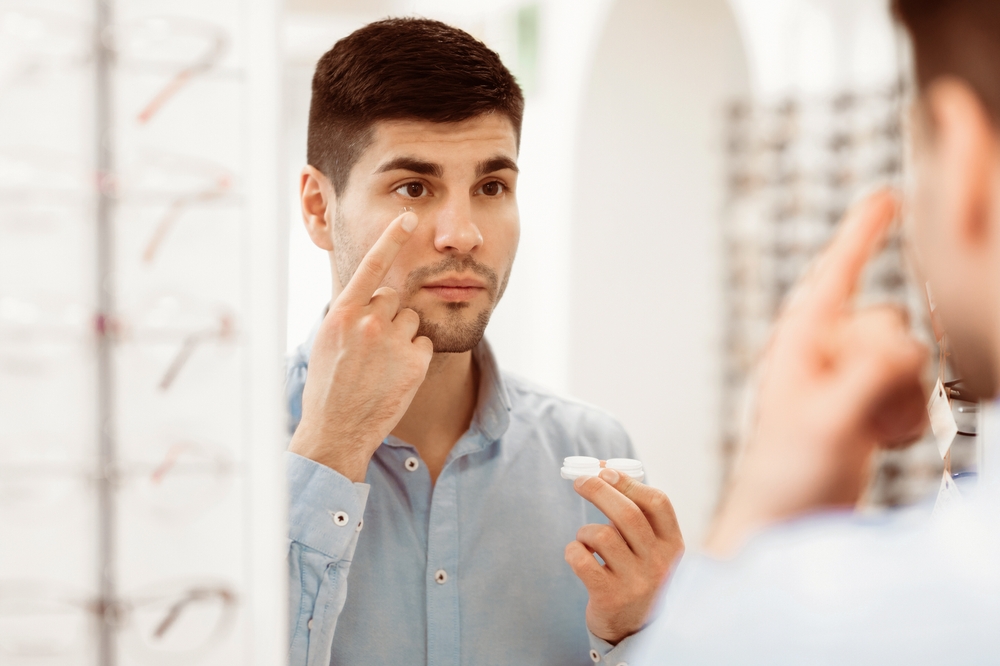
Contact lenses are thin, curved plastic disks that rest on the outer layer of your eye, also known as the cornea. They are used as alternatives to glasses, enhancing your eyesight. These clear lenses function similarly to normal eyeglasses, bending the light as it enters the eye for proper refraction. Contact lenses are used to correct refractive errors, such as nearsightedness, farsightedness, or astigmatism, along with other ocular conditions based on prescription.
Unlike traditional glasses that stay fixed on your nose, contact lenses move with your eyes, giving you a wider field of view and more visual flexibility. Additionally, contact lenses are convenient because they don’t fog up, get smudged, or hinder motions during sports or activities. At BVC, our doctors will recommend daily disposables or specialty contacts, depending on your prescription, lifestyle, and individual needs. For instance, daily disposables are ideal for people with busy schedules or sensitive eyes since they require no cleaning and are thrown away after each use. Specialty lenses, such as toric lenses for astigmatism or multifocal lenses for presbyopia, are tailored to meet more complex vision needs. With so many options available, a professional contact lens fitting at our clinic is essential to ensure both lens comfort and performance.
As scary as it may sound, it is thankfully impossible for the lenses to get lost in your eye. While lenses can occasionally shift out of place, such as sliding under your eyelid, they cannot disappear behind your eye or travel into the skull. This is because the surface of your eye is covered by a thin membrane called the conjunctiva, which functions like a barrier blocking foreign objects from moving beyond the eye surface. If your lens becomes decentered or stuck, it may feel uncomfortable or difficult to locate. In most cases, blinking or using lubricating drops can help reposition it. Remember to always wash your hands thoroughly before touching your eye to prevent bacteria from coming in contact with the ocular area. If you still cannot remove the lens easily, visit the nearest eye clinic for professional support.
This is one of the most persistent contact lens myths; however, the truth is more nuanced. Contact lenses do not inherently cause eye infections, but poor hygiene does. Most contact-related diseases result from wearing lenses longer than prescribed, using expired or reused cleaning solutions, touching lenses with dirty hands, or storing lenses improperly.
When used properly, contact lenses are a safe and reliable vision correction method. Following the instructions from our doctors, including proper lens care and regular checkups, can significantly reduce your risk of ocular complications. If you ever wonder what types of lenses work best for your ocular health, don’t hesitate to visit our team at BVC in both Carlsbad and Encinitas to find the right contact lenses for your vision needs.

It’s a misconception that those with dry eyes cannot wear contact lenses. Although having dry eyes makes it harder for people to put on lenses, it doesn’t mean contacts are off the list. People with this condition simply need to find the right type of contact lenses that suit their eyes. At BVC, our team works closely with patients to find a comfortable and personalized solution that fits their vision needs.
Contact lenses are designed to cater to the needs of users. You can find different brands and lens materials that allow more oxygen, retain moisture, and support those with dry or sensitive eyes. Options like silicone hydrogel lenses, moisture-rich dailies, or even scleral contact lenses can help create a more comfortable experience for dry-eye patients. Our eye doctors may also recommend lubricating drops or other treatment options to relieve the symptoms.
Another common misconception is that children are too young to wear lenses safely. While not every kid is ready, some children are capable of wearing and handling lenses on their own. Many factors go into a parent’s decision on whether their child should wear contact lenses, including how well the child manages personal hygiene, follows routines, and takes responsibility for their belongings. Improper use of contact lenses, such as not washing hands, overwearing lenses, or skipping cleanings, can lead to infections or eye irritation.
This is a common myth about vision correction. It is true that LASIK surgery corrects your vision errors, such as myopia (shortsightedness), hyperopia (farsightedness), or astigmatism, removing your dependence on glasses or contact lenses. However, there are situations where you might want to switch back to your usual eyeglasses or contact lenses. One of the most common reasons is presbyopia, which refers to natural vision changes as you age, usually starting in your 40s or 50s. Even if you had perfect eyesight after surgery, you might eventually need reading glasses or multifocal contact lenses to see clearly at near distances. In other cases, people would want to switch to lenses to fit their active lifestyle or specific ocular needs.
The bottom line is that contact lenses are an option for patients after having vision correction surgery. However, it’s important to consult with your doctor to determine whether your eyes are healthy enough for lens wear and to find the right type of lenses suited to your post-surgical needs.
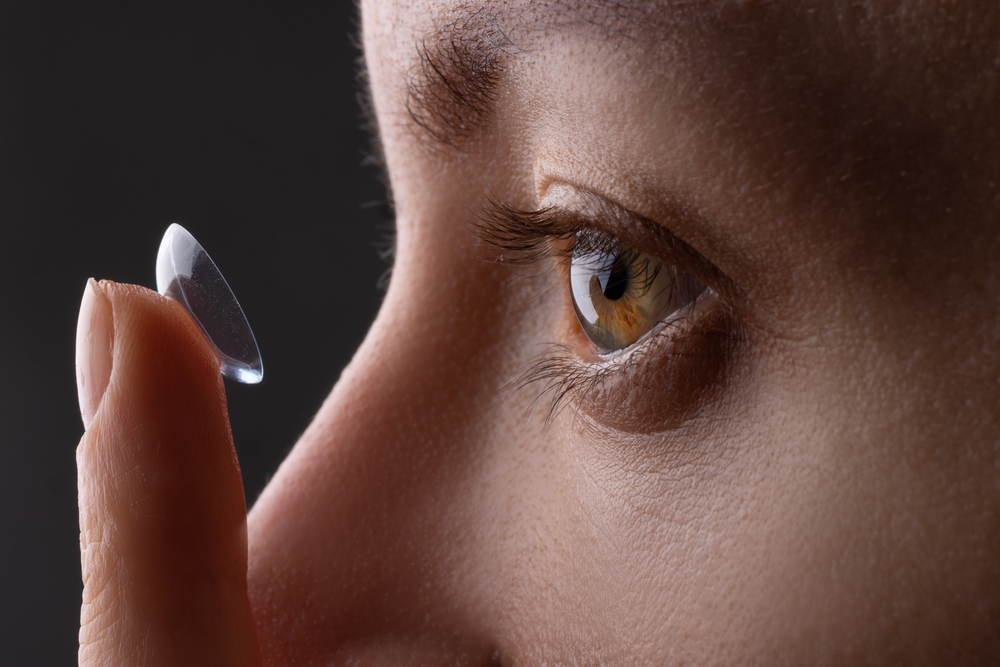
Many people still fall for this dangerous myth that could put their ocular health at risk. While tap or bottled water is safe for us to drink, it is not sterile and should never be used to store, rinse, or clean contact lenses. The water that you use daily can look clean; however, it may contain harmful microorganisms such as Acanthamoeba, which can cause severe and potentially sight-threatening eye infections. Cleaning your lenses with anything other than an approved lens solution compromises both the effectiveness and safety of your eye care routine. This also includes avoiding rinsing lenses with saliva, using homemade solutions, or reusing old solutions. To protect your eyes, always follow your doctor’s recommendations. Use only sterile, multipurpose solutions specifically formulated for contact lens cleaning and disinfection.
At Beyond Vision Center, we believe that protecting your long-term ocular health begins with understanding proper eye care. That’s why we’re committed to helping our patients make informed decisions by clearly explaining all available options and the facts behind them. Our team is dedicated not only to providing the right solutions for your eye care needs, but also to equipping you with the knowledge to use them safely and confidently. Whether you’re unsure about wearing contact lenses for the first time, returning to lenses after surgery, or managing a specific condition like dry eye, we’re here to guide you every step of the way.
Call us today to schedule an appointment and join the BVC family – where your vision matters most! Book a visit with us online or call 760-438-2020 (Carlsbad) and 760-944-7177 (Encinitas).